


Best Practices in Care Coordination: Lessons from the Field


Related articles:
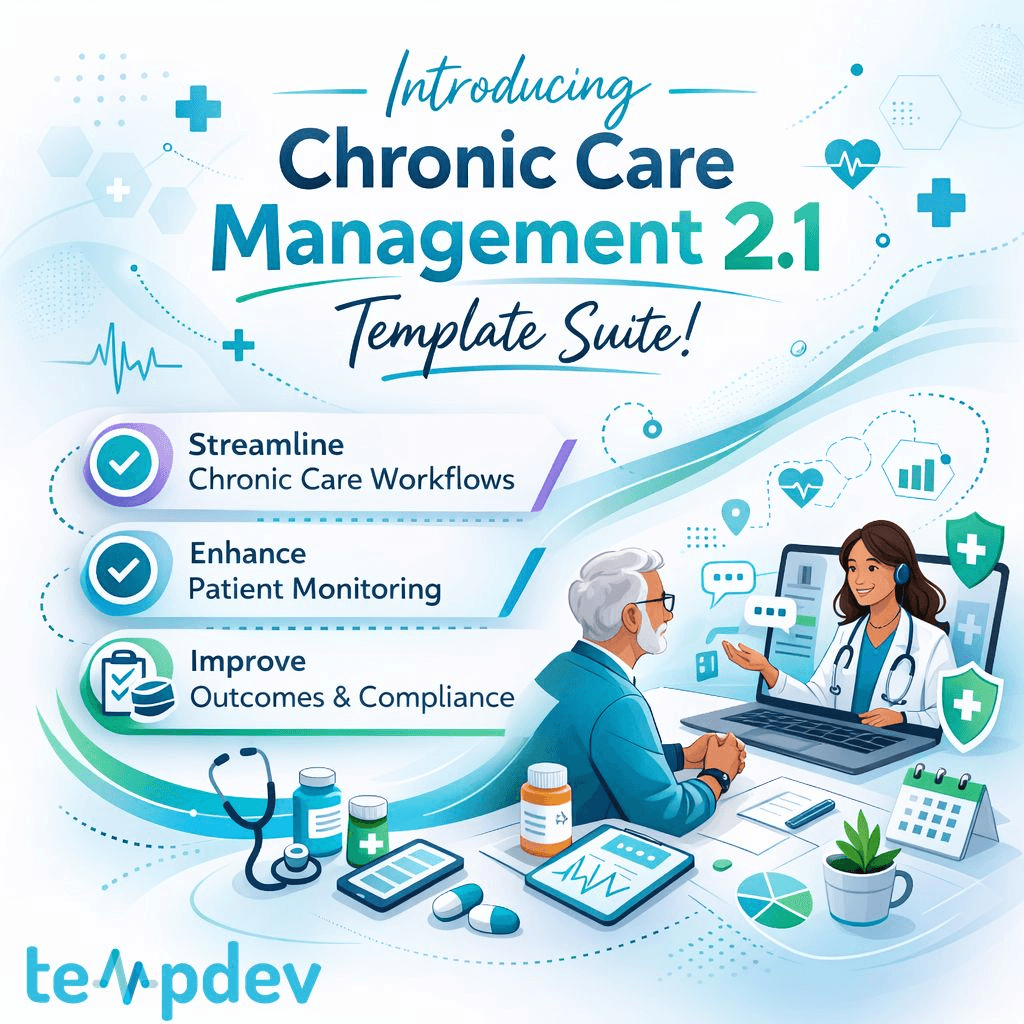
Introducing the Chronic Care Management 2.0 Template Suite
Read ArticleCare Coordination in Chronic Disease Management
Read ArticleBreaking Down Silos: How Care Coordination Improves Health Services
Read ArticleOptimizing Incoming Referral Workflows for Stronger Care Coordination and Practice Growth
Read ArticleThe healthcare system has historically suffered from fragmentation. Patients often had to repeat their medical histories, making it easy to overlook important details. Providers faced administrative issues, and in the end, costs were higher, and patient outcomes were poorer.
Independent practices (and their patients) were stuck in a cycle of disjointed care that prioritized volume over quality care. But as the rate of chronic illnesses rose and healthcare technology advanced, the industry experienced a major shift. Value-based models took center stage, and modern care coordination was born.
This approach requires team-based care with integrated networks. Technology continues to be the foundation of care coordination, supporting interoperability, improved outcomes, and new revenue streams. To make care coordination a success, certain best practices should be followed. Here's what effective care coordination in healthcare is all about.
Components of Effective Care Coordination
Effective care coordination relies on three major elements: interdisciplinary collaboration, patient-centered care planning, and the use of health IT. These core components keep healthcare providers connected, patients involved, and communication open. Here's a closer look.
Why Interdisciplinary Collaboration Matters
Depending on what a patient needs treatment for, they may need different medical specialists along the way. That's why interdisciplinary collaboration is required, allowing teams to share goals, communicate, and align resources. These teams also bring a mix of skills and experience, which provides a more holistic approach to treatment. For example, effective diabetes management may require a primary care physician, an endocrinologist, and a dietitian.
Leveraging Health Information Technology (HIT)
Health information technology (HIT) offers the infrastructure needed to securely share data across different care settings. What used to be fragmented records is now an information hub. Providers can share data via electronic health records (EHRs), track care related to lab results and medications, provide patient portals, and improve healthcare safety.
Prioritizing Patient-Centered Planning
Patient-centered care planning means that individuals and family members are treated as members of the care team. Patients can be involved in treatment and are provided with tailored strategies that fit their needs and preferences, focusing on their personal goals, cultural values, and clinical needs.
Care Coordination Best Practices
Effective care coordination in healthcare requires planning. Here are some best practices to implement.
Introduce Standardized Communication Protocols
If communication is fragmented among primary care providers, specialists, and patients, the risk of errors increases. That's why effective care coordination requires standardized communication frameworks and information exchange, as well as patient-centered communication and interdisciplinary team coordination. Whether it's secure messaging and EHR integration or standardized templates and automated workflows, strategic communication is key.
Leverage Data Analytics
By using data analytics, providers can make more informed decisions. For example, predictive analytics can help target high-risk patients, including those at risk for nonadherence. Research shows that when treating chronic conditions, data-driven interventions improve adherence by up to 30%. Data can assist in everything from personalized treatment plans to resource allocation.
Never Underestimate the Importance of Compliance
Remaining compliant in the healthcare industry requires ongoing training and operational due diligence. From specialized coding and billing updates to regular internal audits, there's plenty to consider.
Learn more about how to ensure your EHR system is compliant with current regulations and get expert support when navigating changes — like compliance with the new Health Data, Technology, and Interoperability (HTI-1) Phase 2 standards.
Why Use Care Coordination Software?
To simplify care coordination and increase connectivity, healthcare teams lean on software. This software helps connect care teams so they can access patient data and clinical workflows. Taking this step not only improves patient outcomes and streamlines operations but also yields financial and compliance benefits.
Platforms like NextGen Healthcare offer the features care teams need to be successful, including patient experience tools, workflow optimization, interoperability, and AI integration. Partners like TempDev can customize workflows during the NextGen EHR integration process. For example: Enhanced Care Management (ECM) and Chronic Care Management (CCM).
What Does the Future Hold for Care Coordination?
Care coordination will continue to evolve alongside technology and artificial intelligence (AI). For example, care coordination technology helps care teams access programs and templates that enable deeper clinical intervention. A Principal Care Management (PCM) program is just one example. The key will be implementing programs like PCM and CCM with the right infrastructure in place. You cannot run these programs on top of systems that were not built for them. Learn more about how you can prepare your NextGen environment for population health growth.
Take the Next Steps in Your Care Coordination Strategy
Optimizing your approach to care coordination requires actionable, targeted steps. You must focus on comprehensive needs assessments, patient-centered care plans, and continuous tracking, all while implementing operational and technological best practices. Whether you're interested in a comprehensive NextGen workflow redesign or require chronic care management support, TempDev can help.
Contact TempDev online or call us at 1.888.TEMPDEV to discuss your unique care coordination needs today!
Interested?
Agree with our point of view? Become our client!
Did you enjoy this read? Feel free to share it with your contacts.