
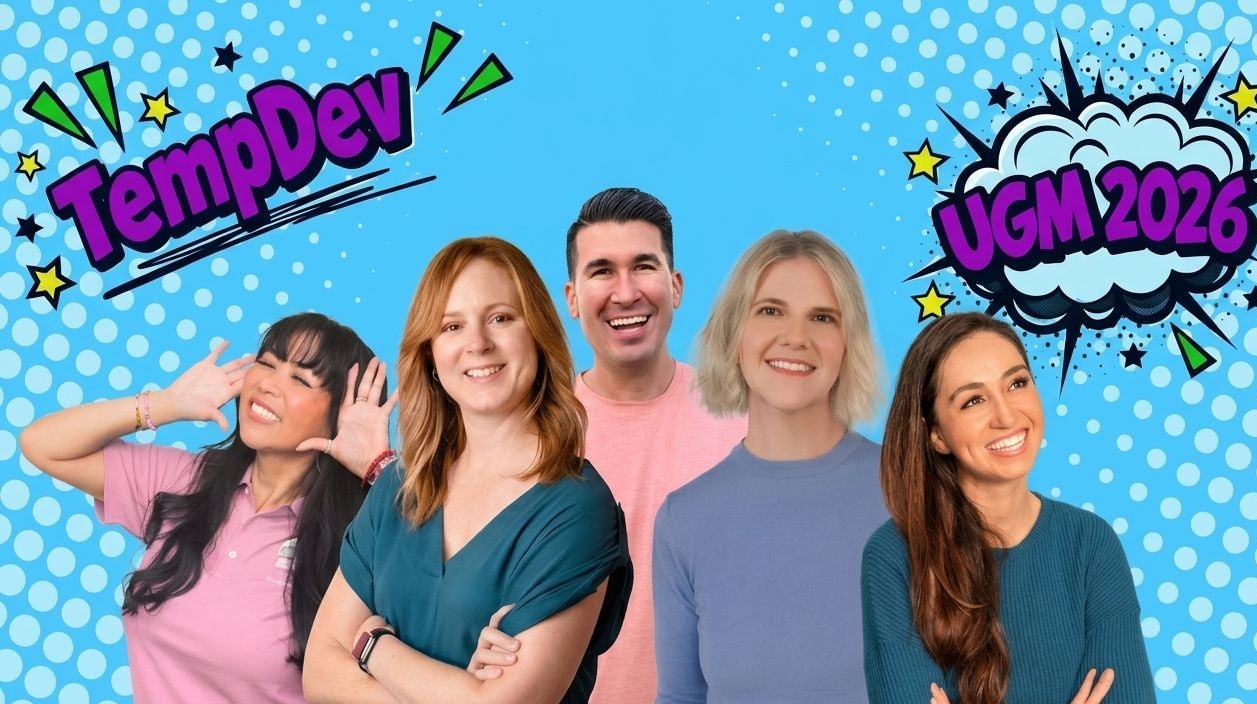
Going to NextGen UGM 2026? Bring These 10 Questions About Your EHR, PM, and Revenue Cycle

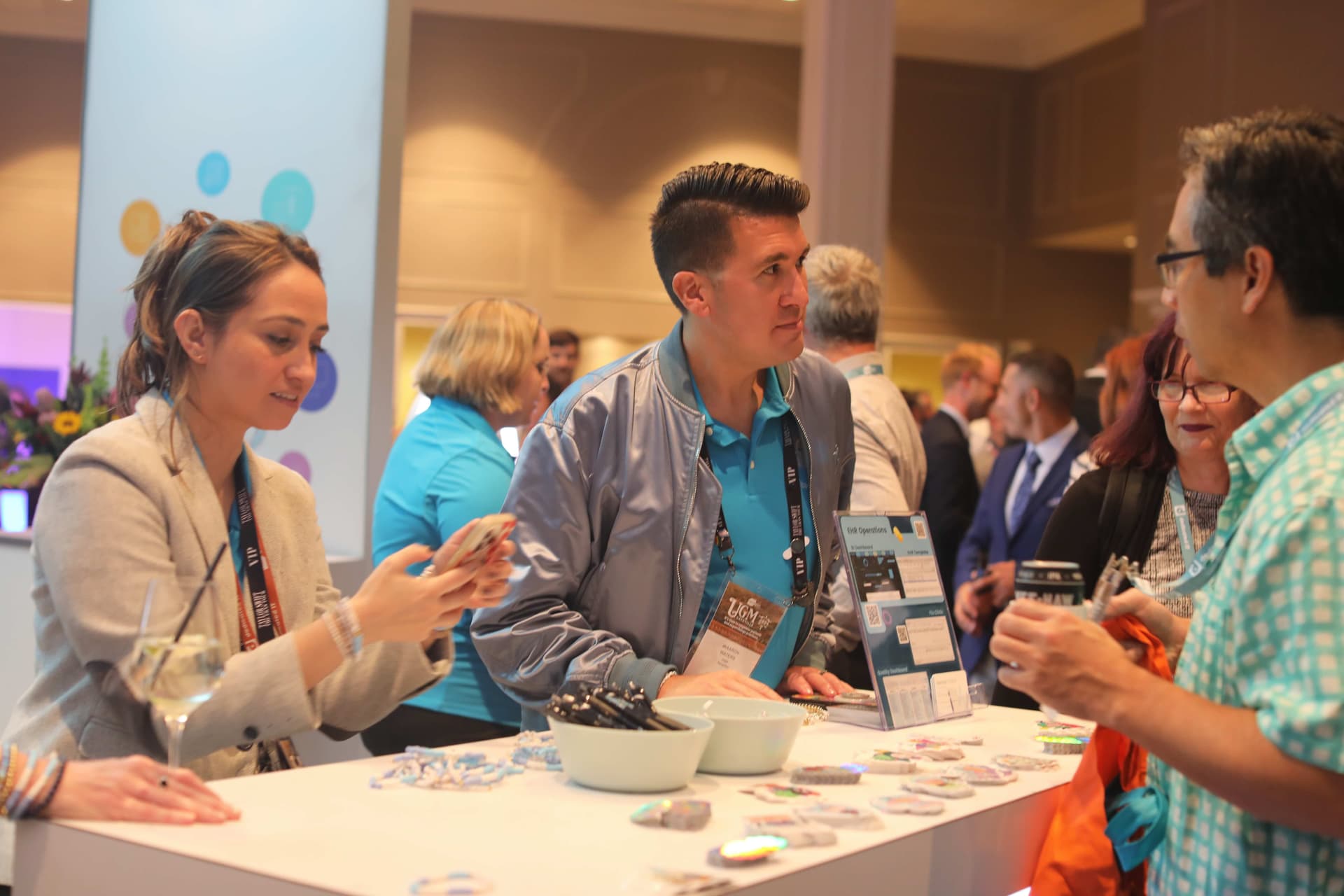
Attending the NextGen UGM 2026 conference offers ambulatory practices a great chance to explore new software, connect with peers, and see upcoming tools. Yet large national conferences can easily overwhelm attendees with endless vendor exhibits and packed breakout sessions. Many leaders return home with notebooks full of unorganized notes and vague ideas without a clear plan. To get real value from the event, clinical and administrative leaders should arrive in San Diego with precise operational questions. Grounding your conference experience in daily challenges helps separate useful software from flashy booth presentations that may not fit your reality. Evaluating your EHR, practice management, and revenue cycle before the event helps ensure a solid return on your investment. More importantly, it gives you the exact talking points you need when you come experience the magic in person by stopping by the TempDev booth.
Start Your UGM 2026 Planning With an Internal Health Check
Before packing your bags, your team should run a quick internal check on current software performance and bottlenecks. Gathering feedback from medical assistants, front-desk staff, providers, and billers highlights where your system causes friction. Hold a brief pre-conference meeting to ask your team a few key questions:
Where do providers face documentation fatigue or navigation friction?
Where are staff relying on manual workarounds?
Which financial reports are being created using spreadsheets and manual data pulls?
How are you quality initiatives being implemented and reviewed?
What routine tasks still require heavy manual work from billing and scheduling?
Which software optimization or upgrade projects stalled over the past year?
Answering these foundational questions reveals your true operational constraints. If you are struggling to untangle these knots on your own, bring your notes directly to the TempDev team at NextGen UGM.
Crucial Questions to Ask About Clinical Workflows and Provider Usability
Breakout sessions and roadmap presentations routinely showcase innovative templates and charting tools designed to save time. To evaluate options for NextGen EHR optimization, bring targeted questions about your daily workflows:
What new capabilities could remove clicks or eliminate duplicate data entry for our providers?
What clinical elements should our enterprise standardize rather than allowing unconstrained custom templates?
Where can automation actually reduce documentation burdens without adding chart review work?
Focusing on these clinical questions helps you find software that actively reduces burnout. When vendor answers feel a bit too abstract, swing by the TempDev booth to chat with consultants who live and breathe clinical workflow redesign every single day.
Essential Inquiries for Practice Management and Revenue Cycle Success
Financial health and margin stability remain top priorities for groups facing reimbursement pressures. When attending revenue cycle management and NextGen practice management sessions, challenge presenters with direct operational inquiries:
4. What billing and scheduling tasks can be automated today that our team handles manually?
5. How can we improve electronic prior authorization and denial workflows to protect margins?
6. What reporting capabilities would help managers intervene sooner on aging accounts receivable?
Finding concrete answers helps your billing department capture full reimbursement and reduce administrative leakage. If your billing rules or prior authorization queues need a serious overhaul, drop by our exhibit space so we can map out a fix together. To improve your revenue cycle experience, read our guide on Revenue Cycle Optimization.
Probing Questions Concerning Data Exchange and Interoperability
Connecting disparate systems and registries remains a technical hurdle for growing practices. During interoperability demonstrations and technical workshops, ask interface specialists:
7. Which external health data connections and payer interfaces are readily available through standard NextGen interoperability interfaces and APIs?
8. Where might Mirth or another integration approach solve a data gap between our core EHR and external software? You can explore options through Mirth integration enterprise solutions to clarify capabilities.
Clarifying these capabilities prevents your organization from purchasing redundant third-party modules. Interface and data challenges can get tangled quickly, which is why sharing your integration puzzle with our Mirth certified interoperability experts at the TempDev booth can give you instant clarity.
Inquiries Regarding Software Upgrades and Long-Term Platform Direction
Software versions dictate your feature access and reporting capabilities. During roadmap sessions, ask product strategists:
9. What desired clinical, revenue cycle, regulatory, and operational functionality specifically requires migrating to a newer software version?
10. Which infrastructure changes or database shifts should our organization plan for over the next 12 to 24 months, including the consideration of moving to NextGen hosting?
Understanding release timelines helps your IT department budget appropriately. For instance, reviewing the benefits of how to plan for an upgrade while minimizing workflow disruptions can help you plan for your next upgrade better.
Stop by our booth to talk through your upgrade roadmap and see how a smooth transition actually feels.
Do Not Return With an Impulsive Shopping List—Return With Clear Priorities
Conferences often inspire teams to return with an overwhelming wish list of new products. However, adopting advanced technology simply because it looked impressive in a booth demonstration can strain your IT budget and disrupt operations. Instead, leave with a disciplined list of priorities. Separate immediate fixes from long-term projects. Identify technical dependencies across departments and define expected operational outcomes for every proposed change. If you need help separating the hype from what your practice actually needs, our team at the TempDev booth is ready to help you prioritize.
Structured Action Plan for the First 30 Days Following UGM
The most critical work happens after you return to the office. To capture value from the conference, execute a structured 30-day post-conference plan:
Conduct a formal internal debrief meeting with your leadership team during the first week back.
Prioritize the innovative ideas and workflow concepts gathered during sessions.
Validate technical requirements and database implications with your internal IT staff.
Identify immediate quick wins that require minimal configuration.
Determine which major proposals require deeper workflow analysis.
Establish a realistic implementation sequence for the upcoming fiscal year.
Experience the Magic in Person: Stop by the TempDev Booth
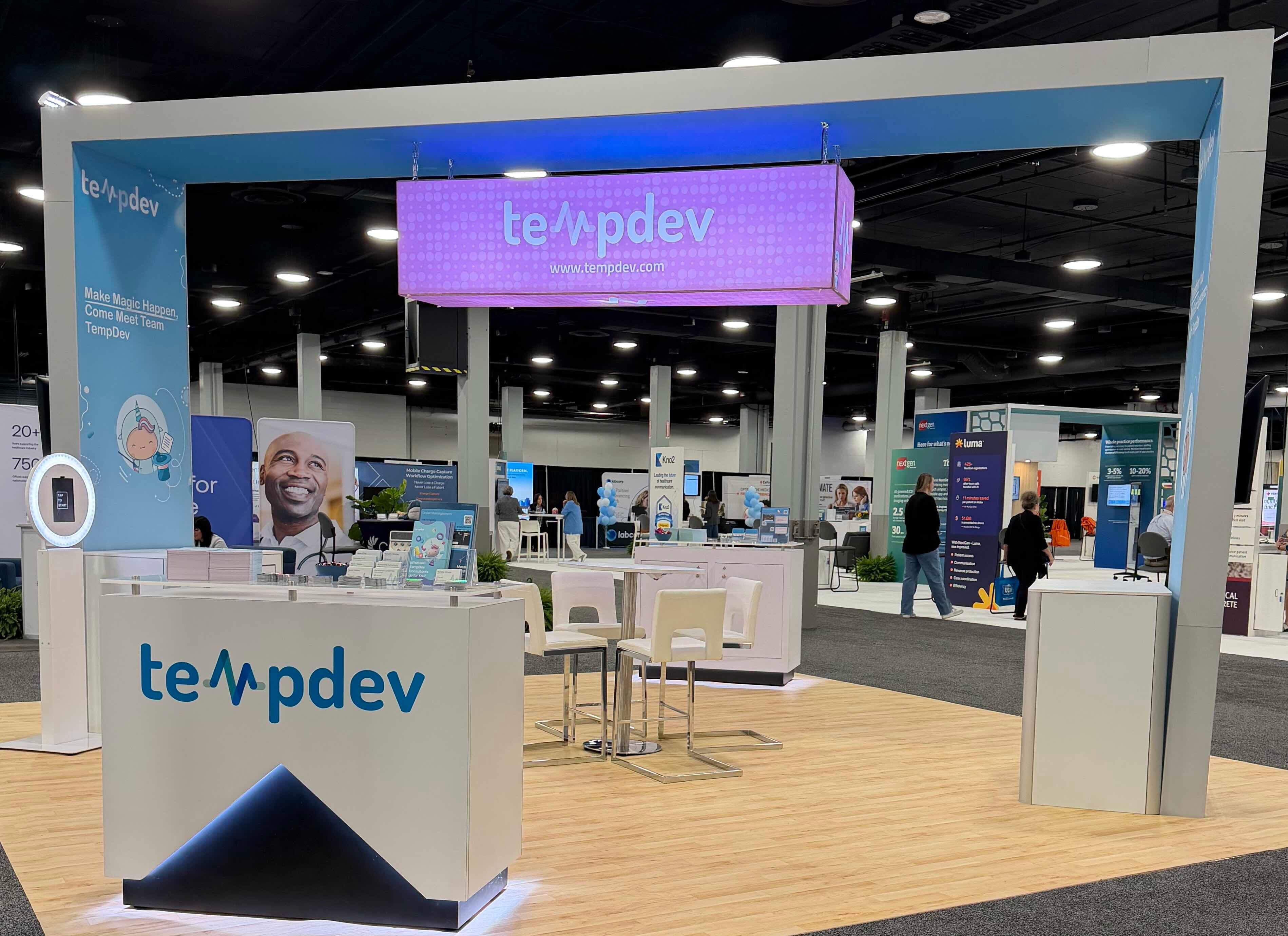
Figuring out how to translate UGM inspiration into daily workflow improvements does not have to be a solo journey. Come experience the magic in person by stopping by the TempDev booth in the Expo Hall at NextGen UGM. Chat with our consultants, share your stubborn NextGen PM & EHR bottlenecks, and let us help you solve those exact issues. Whether you want to untangle custom templates, streamline billing rules, or build reliable reports, our team is right here to help. Talk to us at the conference or schedule your post-UGM strategy session today.